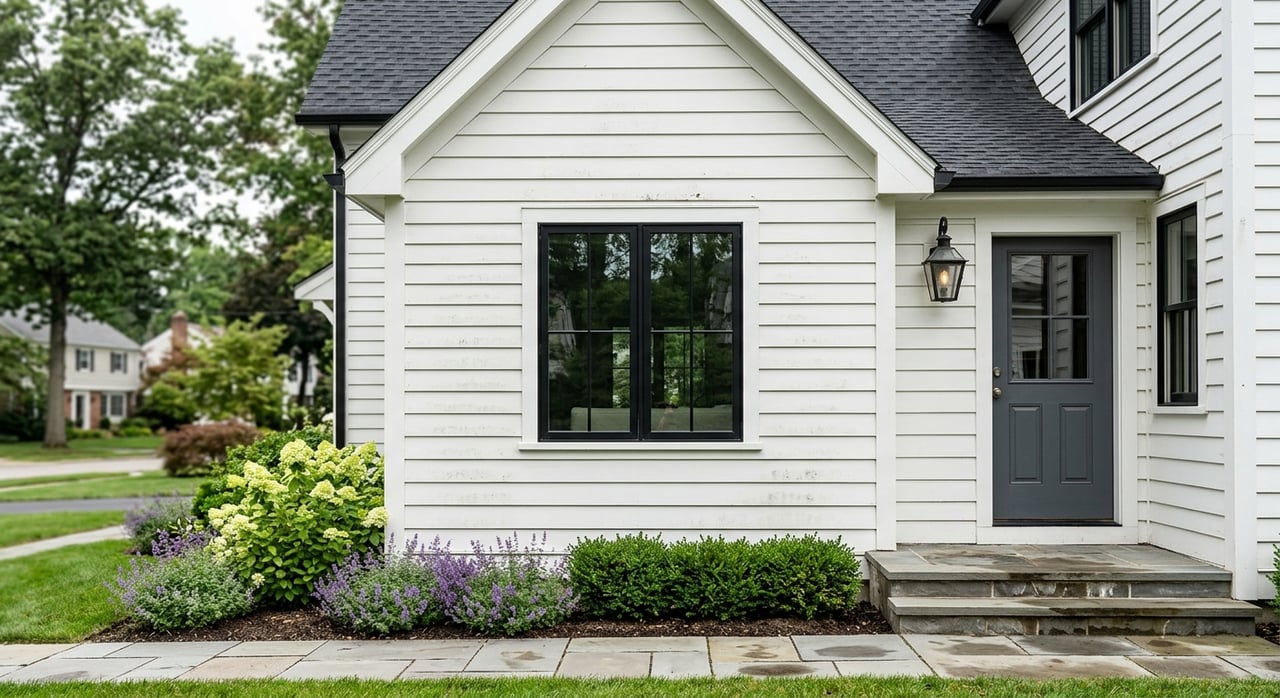
Evaluating Renovation Potential In Sharon’s Housing Stock
June 18, 2026
June 18, 2026
If you are looking at an older home in Sharon and wondering whether it is a smart renovation candidate, you are asking the right question. In a high-value market, the difference between a thoughtful update and an expensive mistake can be significant. The good news is that Sharon’s housing stock offers real opportunity if you know what to study first. Let’s dive in.
Sharon is a mostly owner-occupied market with a strong single-family home profile. U.S. Census QuickFacts reports an owner-occupied housing rate of 87.7 percent and a median owner-occupied home value of $737,100. That matters because in a market like this, buyers often reward homes that feel well cared for, documented, and easy to maintain.
Housing MA data adds more context. About 86.02 percent of Sharon’s housing units are single-family homes, and only 7.3 percent were built in 2000 or later. The largest age groups are homes built from 1960 to 1979 and from 1980 to 2000, which means much of Sharon’s housing stock sits in the range where updates may be useful, but full-scale reconstruction is not always necessary.
A home does not need to be historic or brand new to have strong renovation potential. Sharon includes housing from several eras, including mid-18th to early-19th century Colonial, Georgian, and Federal homes, along with later Greek Revival, Queen Anne, Colonial Revival, Shingle, Victorian, and Craftsman examples. In some areas, especially Pleasant View, homes may blend styles rather than fit neatly into one category.
For you as a buyer or owner, that means style labels are less important than how the house actually reads today. A home with a clear original shape, sensible additions, and consistent upkeep often offers better renovation potential than one with a long list of disconnected changes.
Before you think about finishes, look at the house as a whole. Sharon’s strongest value-add opportunities are often homes with a good location, solid systems, and a form that still makes sense, even if the cosmetics feel dated. If the exterior, layout, and major components already work reasonably well, selective improvements can go a long way.
On the other hand, a home with visible wear, awkward additions, and unclear maintenance history may require a much larger budget than it first appears. In higher-value suburbs, the biggest wins often come from reducing risk, not just adding more luxury.
One of the most useful tools in Sharon is the assessor database. The town’s records can provide parcel information, photographs, property descriptions, and assessed values. This gives you a starting point to understand what the property is, how it has been categorized, and how it compares on paper.
It is important to use assessed value carefully. Sharon notes that FY2026 assessments are based on 2024 sales and ownership as of January 1, 2025, so an assessment is a reference point, not a live market price. Still, paired with on-site observations, it can help you spot whether a home may be under-improved, over-improved, or simply ready for focused updates.
If you want to evaluate renovation quality, permit history is one of the best places to start. Sharon requires a building permit for construction work, and separate permits are required for electrical, plumbing, and mechanical work. That means documented work is easier to verify than work described only by marketing language or memory.
When you review a property, try to separate cosmetic appeal from documented improvements. A new-looking kitchen is helpful, but it is even more helpful if the related work was properly permitted where required. For sellers, organized permit records can also strengthen buyer confidence and support a smoother transaction.
In Sharon, septic is not a side issue. The town states that homes and businesses depend on on-site wastewater systems, regulated under Massachusetts Title 5 and local Board of Health rules. That makes septic condition and capacity a major factor in renovation planning.
If your renovation goals could affect bedrooms, bathrooms, or overall occupancy, septic may become a gating issue. Even if your plans are more modest, septic condition still belongs near the top of your due diligence list. Before spending heavily on finishes, it is wise to understand whether the property’s wastewater system supports your long-term plan.
Renovation potential is not just about what you can add. It is also about what problems you can avoid. In Sharon, a licensed inspection team can help you evaluate key risk areas such as septic, roof condition, structural integrity, and major systems.
That approach is especially important in a market where many homes were built decades ago. Cosmetic upgrades are easier to budget. Hidden system issues are where renovation plans can shift quickly and expensively.
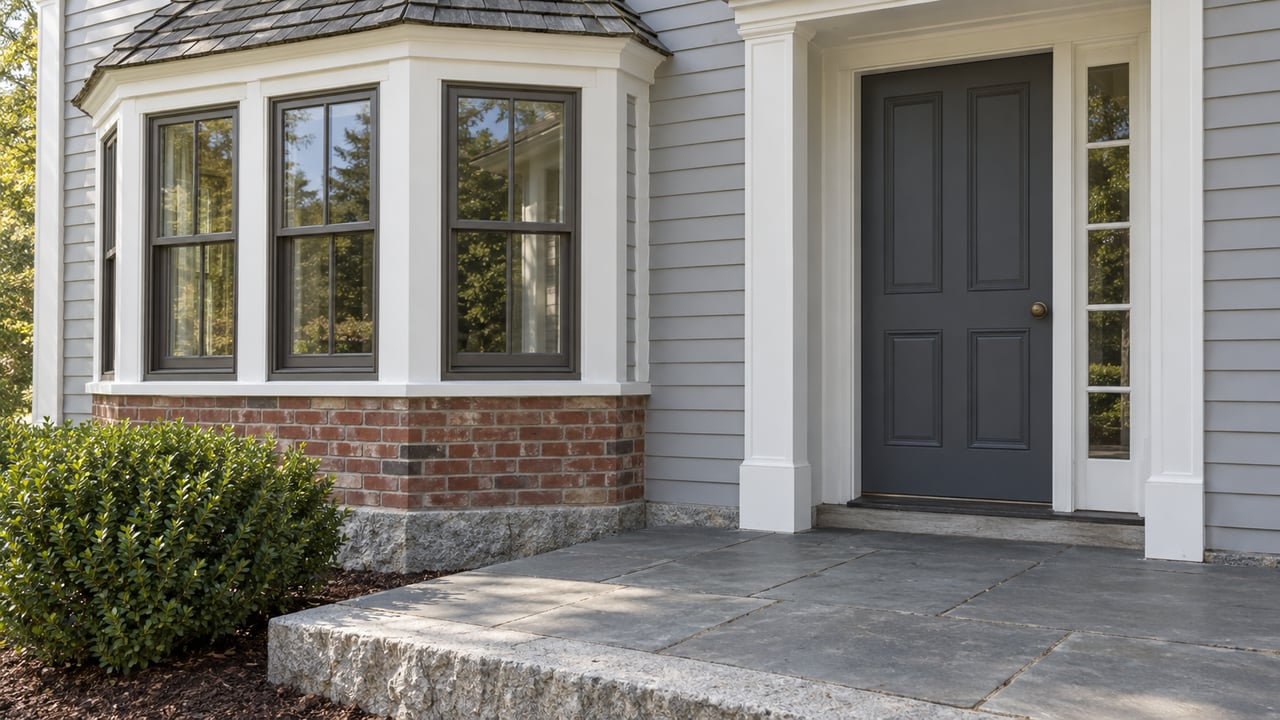
For resale-minded improvements, the 2025 Cost vs Value report for New England points toward visible, practical projects. Garage door replacement showed 349.3 percent cost recouped, steel entry door replacement 182.9 percent, fiber-cement siding 144.9 percent, minor kitchen remodel 134.3 percent, and manufactured stone veneer 132.5 percent.
By contrast, a midrange major kitchen remodel recouped 50.4 percent, and an upscale bathroom remodel recouped 38.8 percent. The message is clear. Buyers often respond more strongly to a home that looks maintained, functional, and move-in ready than to one loaded with costly luxury finishes.
Applied to Sharon, that data supports a practical renovation strategy. In many cases, your first dollars may work harder in areas buyers notice right away and interpret as lower risk.
Consider prioritizing:
This does not mean interior improvements do not matter. It means the order of operations matters. Exterior condition, systems, and overall coherence usually deserve attention before high-end finish upgrades.
In Sharon, some of the best opportunities are not the most dramatic ones. Often, the strongest candidates are houses that already sit on a solid foundation from a value perspective but need sharper presentation, selective repairs, and better alignment between old and new elements.
A promising property may have:
These homes can appeal to both buyers planning to move in and owners preparing to sell. They tend to offer room for improvement without requiring a complete reset.
In a market like Sharon, over-improving can be just as costly as under-preparing. The research suggests that some of the biggest mistakes include spending heavily on high-end interiors before addressing systems and exterior needs, ignoring septic limitations, and overlooking permit history.
It is also easy to misread what buyers will value most. A polished kitchen may look great in photos, but if the roof, siding, or entry condition raises questions, buyers may still price in uncertainty. In many cases, confidence is created by signs of maintenance, documentation, and restraint.
If you are buying, renovation potential should be part of your offer strategy, not an afterthought. You want to understand where the upside is, what the risk screens are, and whether the home supports your intended budget and timeline.
If you are selling, this same framework can help you decide what to improve before going to market. In Sharon, selective prep often does more for buyer confidence than an expensive interior overhaul. The right plan can help you present the home as well maintained, sensible, and ready for the next owner.
The best renovation decisions usually come from clear sequencing. First, confirm the property’s records, systems, and constraints. Next, evaluate whether the home’s form and condition support practical upgrades. Then decide which visible improvements are most likely to strengthen buyer confidence and protect value.
That is especially true in Sharon, where much of the housing stock is established rather than brand new. Renovation potential is often real here, but the strongest results usually come from disciplined choices, not the biggest construction budget.
If you are weighing whether to buy, sell, or improve a home in Sharon, a strategy-first review can help you avoid costly assumptions and focus on the updates that matter most. For thoughtful guidance grounded in market knowledge, finance, and real-world value-add experience, connect with Talib Hussain Realty Group.
Stay up to date on the latest real estate trends.


Rooted in trust, expertise, and sincere dedication, Talib brings a lifelong appreciation of what “home” means to every client and every move.